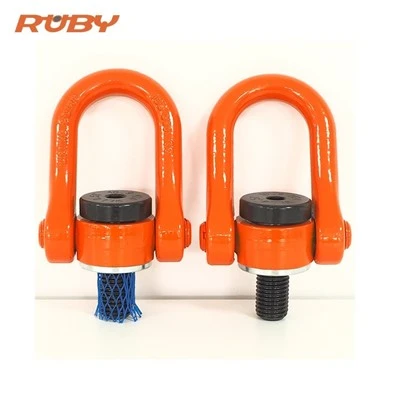

Identifying lifting points is crucial for safe material handling. While location varies by load type, here are common places to look:
1.Designated Hardware (Most Secure):
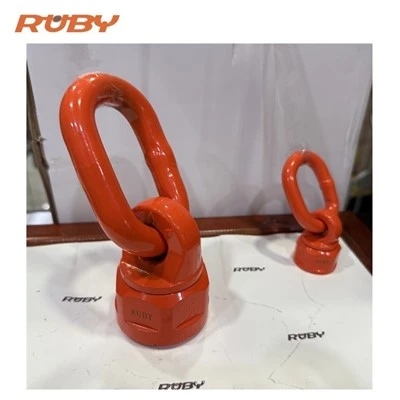
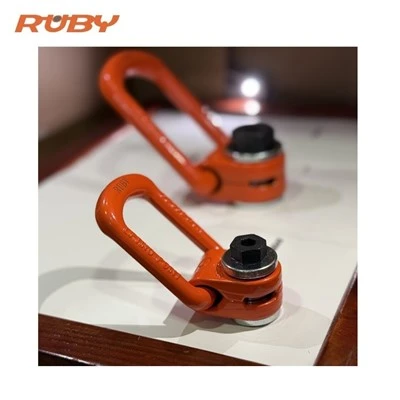
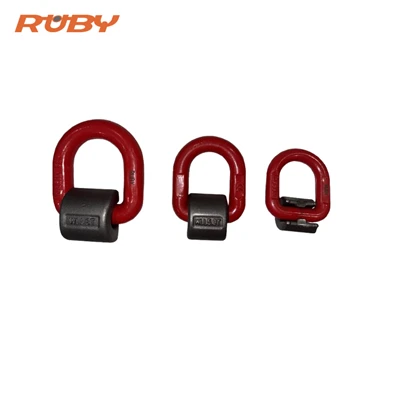
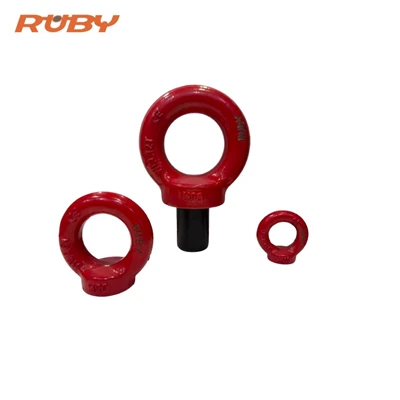
Lifting Lugs/Eyes:Protruding forged or welded steel loops, often found on machinery, castings, structural steel, and heavy containers. Always the preferred location.
Lifting hole: A precision drilling hole designed for shackle pins or hooks, often used in steel plates, beams and transport frames.
Integrated Points: Some equipment's built-in lifting points marked on the device itself, or made clear in the manual.
2. Structural Features (Use with Caution & Verification):
Strong Beams or Trusses: On large structures, the main load-bearing members might be suitable, but only if explicitly designed and rated for lifting. Never assume.
Bases/Frames: Heavy bases or robust frames can sometimes be used, but rigging must be carefully planned to avoid bending or damaging weaker components.
3. Where NOT to Attach (Critical Avoidance):
Valves, Pipes, Conduits, or Control Rods: These are functional components, not load-bearing structures.
Unprotected Edges or Thin Sheet Metal: Will cause cutting damage to slings and risk failure.
Standard Bolts, Nuts, or Threaded Rods: These cannot be used for dynamic load lifting.
Axles, Shafts, or Moving Parts: May cause imbalance or damage.
Any Point Lacking Clear Identification or Rating.
NEVER Guess: If designated points are missing, unclear, damaged, or inadequate for the lift, STOP. Modifying equipment to add lifting points requires engineering approval. Seek qualified rigging engineering support.
Safety First: Lifting from incorrect or unrated points is a leading cause of accidents. Always prioritize verified, designated lifting hardware. Using our high-strength industrial chains with properly identified points ensures maximum safety and load integrity.
Need help identifying lifting points for your equipment? Contact us today!