
A correct starting point is the foundation of safe and efficient lifting operations. Using the wrong points may lead to trouble.
Here is a concise guide:
1.Confirming the center of gravity (CoG) : This is very important. The main lifting point must be directly above or as close as possible to the load CoG. If there are no obvious or marked marks, refer to the engineering drawings or calculate based on the shape and weight distribution of the load.An off-center lift will cause dangerous tilting or swinging.
2. Understand Load Distribution: Is the load uniform or uneven? For long or asymmetrical loads, you'll likely need multiple lifting points. These points must be positioned and rigged to share the load equally and maintain balance throughout the lift. Spreaders or lifting beams are often essential for this.
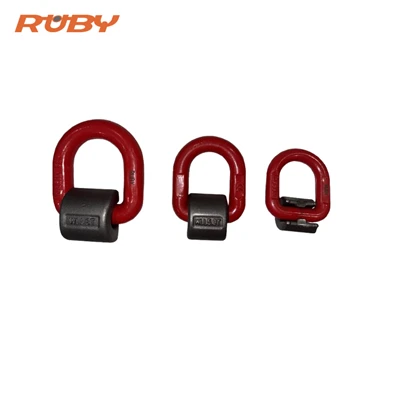
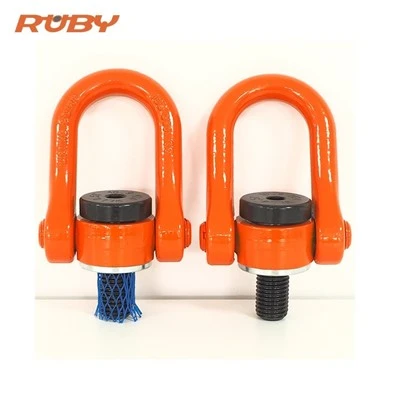
3. Assess Attachment Suitability: Ensure the lifting point is compatible with your chain sling or hardware (shackle, hook). Verify its material, strength rating (must meet or exceed the required load), and physical condition (no cracks, deformation, or excessive wear).
4. Consider Environmental Factors: Factor in wind, ground conditions, obstacles, and the lift path. Ensure the chosen point allows for clear, unobstructed rigging and controlled movement.
Important Conclusion: Safety is non-negotiable. Never guess a lifting point. If you are unsure about the CoG, designated points, or load stability, stop and consult a qualified engineer or rigging specialist. Using the correct chain to connect to the correct lifting point is the foundation of safe lifting.